
40 inch bathroom mirror
The Metal Right Angle Ruler is a critical tool in modern manufacturing, construction, and craftsmanship. Designed for accuracy and durability, this product exemplifies the intersection of engineering precision and practical utility. Manufactured by Storaen (Cangzhou) International Trading Co. , the ruler is engineered to meet the rigorous demands of industries requiring high-accuracy measurements. This article explores the product's features, technical specifications, applications, and the company's commitment to quality. # Product Overview The Metal Right Angle Ruler is a specialized measuring instrument used to verify squareness, alignment, and perpendicularity in various materials and structures. Its design incorporates a cast iron base with precisely machined edges, ensuring stability and resistance to wear. The ruler's primary function is to serve as a vertical reference for inspecting workpieces and checking squareness, making it indispensable in fields such as metalworking, woodworking, and textile manufacturing. # Key Features and Advantages The Metal Right Angle Ruler stands out due to its robust construction and precision engineering. Key features include: Durability: Constructed from high-quality cast iron, the ruler is resistant to corrosion and deformation, ensuring long-term reliability. Accuracy: The ruler's edges are finished to exacting standards, with the bottom and adjacent square face parallel and flat, as well as the narrow sides aligned to maintain precision. Versatility: Available in multiple sizes, including a large right angle ruler , it caters to both small-scale projects and industrial applications. Easy to Use: The ergonomic design allows for straightforward handling, making it suitable for professionals and hobbyists alike. # Technical Specifications Feature Description Material Cast Iron Dimensions Varies by model (e.g., standard, large) Surface Finish Flat and square, with parallel edges Weight Heavy-duty construction for stability Applications Industrial inspection, woodworking, sewing, and metalworking # Applications in Industry and Craftsmanship The right angle metal ruler is a versatile tool with applications across multiple industries. In industrial manufacturing , it is used to verify the squareness of machined parts, ensuring compliance with engineering specifications. In woodworking, the ruler helps in aligning joints and checking the perpendicularity of structures. For sewing , it aids in creating precise patterns and ensuring fabric alignment. The right angle ruler tool is also employed in construction to measure and mark right angles for framing and flooring. # Company Background: Storaen (Cangzhou) International Trading Co. Storaen (Cangzhou) International Trading Co. is a leading supplier of industrial tools and machinery, with a focus on precision engineering. The company's commitment to quality is reflected in its product range, which includes the right angle ruler for sewing and other specialized measuring instruments. With a global distribution network, Storaen ensures that its products meet international standards, supporting industries that require accuracy and reliability. # Why Choose the Metal Right Angle Ruler? The Metal Right Angle Ruler offers several advantages over traditional measuring tools. Its cast iron construction provides unmatched durability, while its precise design ensures consistent accuracy. The product's versatility makes it suitable for a wide range of applications, from small-scale projects to large industrial operations. Additionally, Storaen's reputation for quality and customer service further enhances the value of this tool. # Expert Insights and Standards According to the National Institute of Standards and Technology (NIST) , precision measurements are critical for advancing technology and ensuring product quality. The Metal Right Angle Ruler aligns with these principles by providing reliable, repeatable measurements. NIST's research on metrology and manufacturing standards underscores the importance of tools like the right angle ruler in maintaining industry-wide consistency. # Conclusion The Metal Right Angle Ruler is a testament to the synergy between engineering excellence and practical utility. Its robust design, precision, and versatility make it an essential tool for professionals in various fields. Manufactured by Storaen (Cangzhou) International Trading Co., the product exemplifies the company's dedication to quality and innovation. Whether for industrial use or artisanal projects, the right angle ruler remains a vital component of modern craftsmanship. # References National Institute of Standards and Technology (NIST) . (n.d.). Driving Innovation. Retrieved from https://www.nist.gov
about
40 inch bathroom mirror
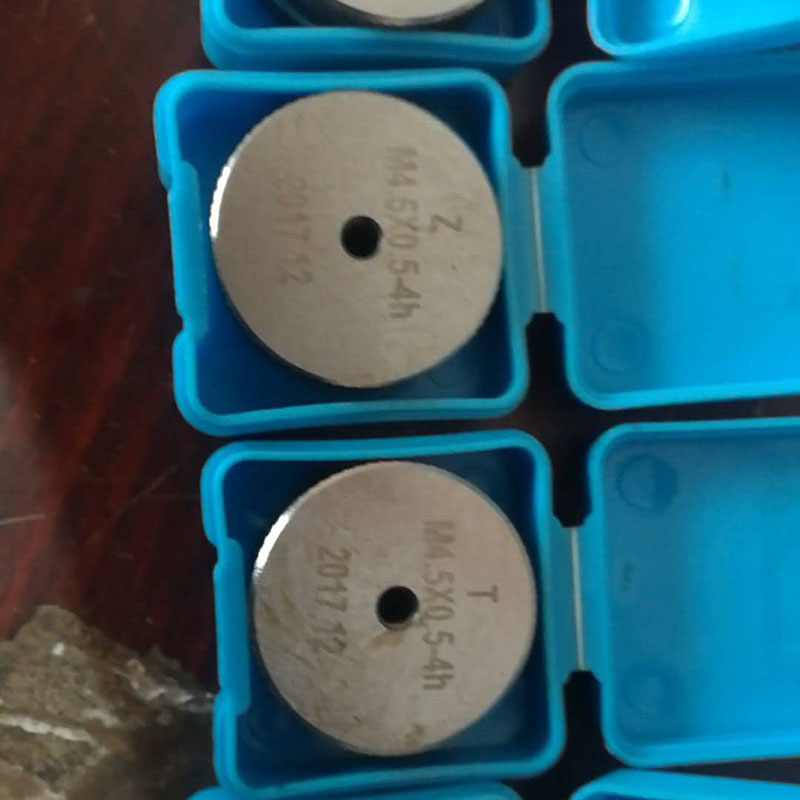
Accurate measurements are crucial in metalworking and engineering. From simple rulers to high-precision digital tools, the market offers a variety of measuring tools for sale that suit different industrial applications. These tools help ensure that materials are cut, shaped, and assembled with accuracy, contributing to the overall quality and functionality of a product. Selecting the right measuring tool depends on the required precision, the type of material being worked on, and the scale of the project. Common measuring tools include: Calipers : Ideal for precise internal and external measurements. Micrometers : Offer even finer accuracy for small-scale measurements. Tape Measures : Often used for larger, less precise measurements in initial stages. Digital gauges : Provide high accuracy and can be connected to software for data recording. Available Types: Manual calipers, micrometers, and digital versions. Digital and analog gauges. Laser and optical measurement tools for high-precision tasks. Engineering Measuring Tools for Precision Projects In the field of engineering, precision is paramount. Engineering measuring tools are designed to ensure that projects meet strict design tolerances. These tools are used for everything from assessing material dimensions to verifying alignment and ensuring the accuracy of mechanical components. Some key engineering measuring tools include: Vernier Calipers : Provide highly accurate measurements of internal, external, and depth dimensions, often used in mechanical engineering. Dial Indicators : Used to measure small distances or variations, often in alignment and deflection testing. Laser Measuring Tools : Offer highly accurate distance measurement for both large and small projects. Height Gauges : Used for vertical measurement and marking of workpieces, essential in precision engineering. For engineers, accuracy is the most critical factor when choosing tools. Many of these instruments come with calibration features or are sold with certified accuracy levels to ensure they meet industry standards. Common Tools: Vernier and digital calipers. Dial indicators and height gauges. Precision laser and optical measurement tools. Applications of Gauge Measurement Tools Gauge measurement tools are commonly used in both metalworking and engineering fields to measure various dimensions such as thickness, depth, height, and pressure. These gauges come in several types, each designed for specific applications. Examples of gauge measurement tools include: Feeler Gauges : Used to measure gap widths and clearance between parts, commonly applied in automotive repair and maintenance. Dial Gauges : Measure small linear distances with precision, typically used for alignment checks and precision machining. Thread Gauges : Determine the size, pitch, and diameter of screws and bolts. Pressure Gauges : Monitor fluid pressure in systems like HVAC or hydraulics. Each gauge serves a specific function, ensuring that critical measurements are within acceptable tolerances and that machinery, products, or components work correctly. Common Gauge Types: Feeler gauges for measuring gaps. Dial indicators for linear displacement. Pressure gauges for monitoring system pressures. Importance of Level Measurement Tools in Construction and Metalwork Level measurement tools are essential for ensuring horizontal or vertical alignment in construction, engineering, and metalworking. These tools help verify that surfaces, structures, or components are level and aligned correctly, which is vital for safety and performance. Some of the commonly used level measurement tools include: Spirit Levels : These traditional levels use a liquid-filled vial with an air bubble to determine if a surface is level or plumb. Laser Levels : Provide precise horizontal and vertical alignment using a laser beam, commonly used in construction, engineering, and carpentry. Inclinometers : Measure the angle of tilt or slope, often used in civil engineering and surveying. Digital Levels : Offer high precision and are equipped with digital displays for ease of use, especially in metalworking and construction. These tools ensure the correct positioning of machinery, workpieces, or structures, leading to improved accuracy and safety during construction or assembly. Popular Tools: Spirit levels for general use. Laser levels for large-scale projects. Digital inclinometers for precise angle measurement. Measuring Tools in Metal Work : Ensuring Accuracy and Quality Measuring tools in metal work are essential for maintaining the tight tolerances required in machining, fabrication, and manufacturing processes. Accurate measurements ensure that parts fit together as designed, maintain structural integrity, and function as intended in mechanical systems. In metalworking, precise measurements are required at every stage, from cutting raw materials to final assembly. Some key tools include: Micrometers : Provide precise measurements of small distances or thicknesses, often used in machine shops. Combination Squares : Used for measuring angles and marking straight edges during metal fabrication. Protractors : Ensure accurate angle measurements and cuts, particularly in sheet metal work. Depth Gauges : Used to measure the depth of holes or slots in metal workpieces. These tools allow metalworkers to achieve the precise cuts, shapes, and dimensions necessary for high-quality metal components. Digital versions of these tools are becoming increasingly popular for their ease of use and enhanced precision. Commonly Used Tools: Micrometers for precision measurement. Protractors for angle measurement. Combination squares for marking and measuring edges. Whether you're an engineer, metalworker, or involved in construction, having the right measuring tools is essential for accuracy, precision, and quality in your projects. From gauge measurement tools for intricate measurements to level measurement tools ensuring proper alignment, the market offers a wide variety of engineering measuring tools that cater to diverse applications. Explore the range of measuring tools for sale today to elevate your projects with professional-level precision.
-

High quality industrial productsagement

High quality industrial products
View Details -

Meet the diverse needs of customers

Meet the diverse needs of customers
View Details -

Strict quality control

Strict quality control
View Details -

Top raw materials

Top raw materials
View Details -

Trusted supplier

Trusted supplier
View Details
Our application


news and information

Welding Table Cast Iron Surface Finish Guide
As a wholesaler in the welding equipment industry, understanding the intricacies of welding table ca

Why Granite Surface Plates Outperform Other Materials
Precision is the foundation of any successful industrial or fabrication process. Whether it's for me
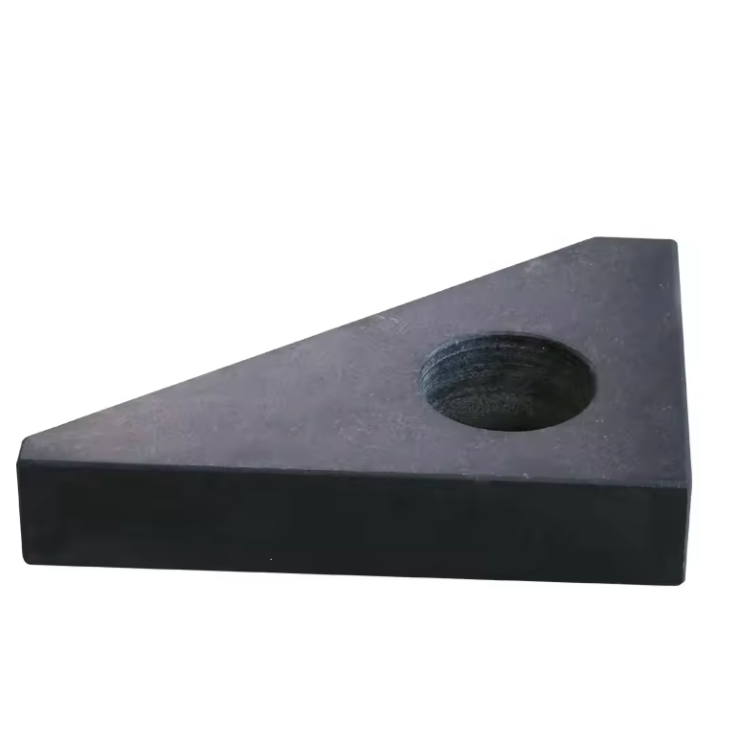
Versatile 3x6 Fabrication Table Designed for Welding Projects and Metalworking Applications
The Versatility and Importance of a 3x6 Welding Table Welding is a critical skill in various industr
 English